



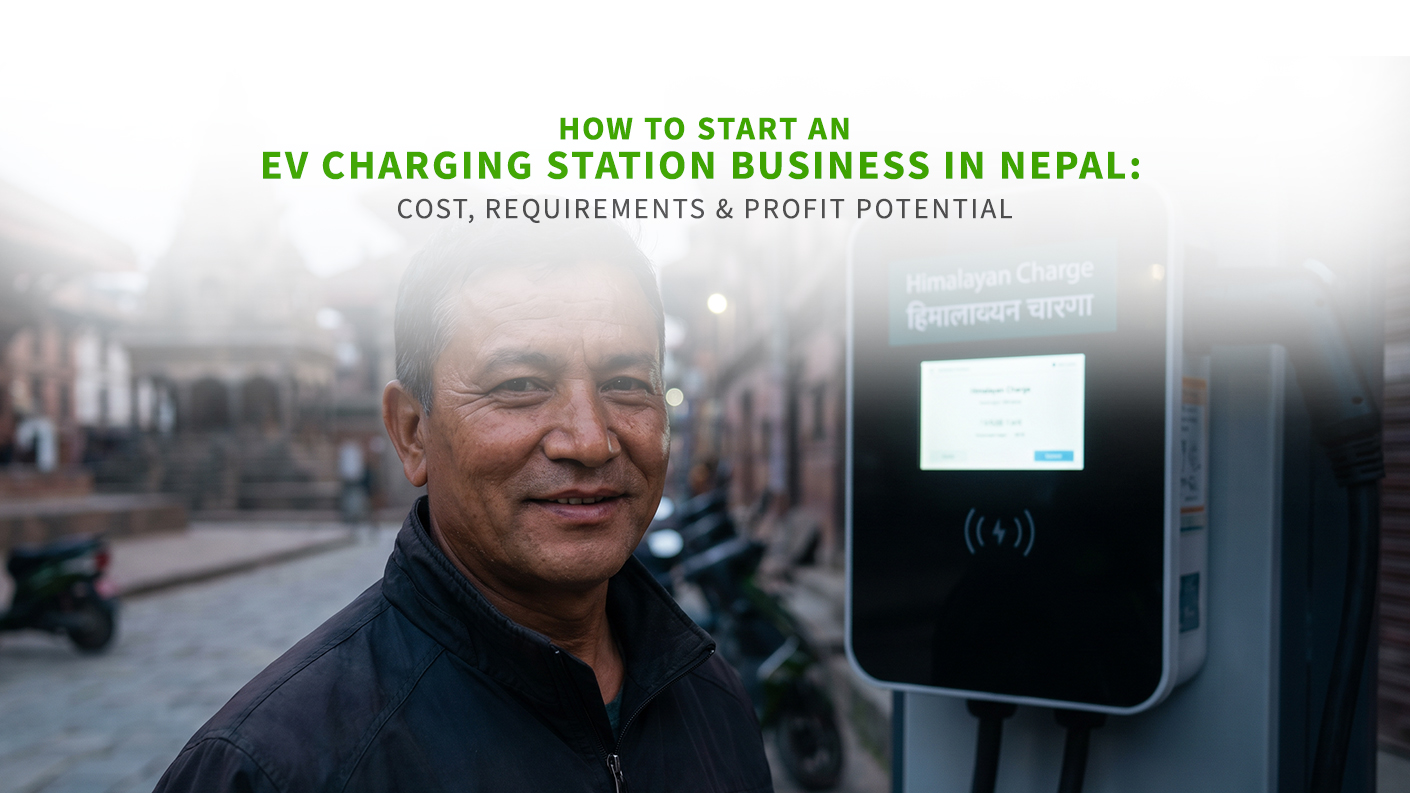
The electric vehicle market in Nepal is expanding quickly, creating a practical opportunity for entrepreneurs exploring the EV charging station business. With rising EV imports, lower operating costs for users, and policy support, the need for charging infrastructure is increasing every year. Nepal already has more than 1,250 charging stations, with private investment driving most of the growth.
If you’re researching how to start an EV charging station business, this guide explains the cost, setup requirements, and profit potential in a clear and actionable way.
Understanding How the EV Charging Station Business Works in Nepal
An EV charging station operates like a fuel station, but instead of petrol or diesel, you supply electricity. Customers are charged per unit (kWh), and your margin comes from the difference between your electricity cost and selling price.
The opportunity exists because:
- EV adoption is increasing due to cost savings and incentives
- Charging infrastructure is still limited in many areas
- Demand is growing across highways and urban centers
This makes the EV charging station business scalable and aligned with Nepal’s long-term mobility shift.
Types of EV Charging Stations You Can Install
Choosing the right type of charger is one of the most important decisions when planning an EV charging setup. The type you install directly affects your investment, charging speed, and how frequently customers use your station.
AC Chargers (Slow Charging for Everyday Use)
AC chargers are a cost-effective option and are commonly used for longer parking durations. They typically take 4–8 hours to fully charge a vehicle, making them suitable for places like homes, offices, and hotels where vehicles are parked for extended periods.
Their lower installation cost makes them ideal for starting small or adding basic charging support.
DC Fast Chargers (High-Speed Commercial Charging)
DC fast chargers require higher investment but deliver much faster charging, usually within 30–60 minutes. They are best suited for highways, busy urban areas, and commercial hubs where drivers need quick top-ups.
While the setup cost is higher, faster turnaround means you can serve more vehicles and generate higher revenue.
👉 In practice, most successful EV charging station businesses combine both AC and DC chargers to balance cost, efficiency, and customer demand.
Key Requirements to Start an EV Charging Station Business in Nepal
Setting up an EV charging station requires more than just installing chargers. You need the right mix of location, power infrastructure, space, and approvals to run operations smoothly and profitably.
1. Location Selection That Drives Usage
Your earnings depend heavily on where your station is located. Highways, busy travel routes, shopping centers, malls, and commercial parking areas tend to generate consistent demand. Simply put, higher traffic means better utilization and faster returns on your investment.
2. Electricity Supply and Transformer Setup
A reliable and high-capacity electricity connection is essential. DC fast chargers, in particular, require heavy load support, and large stations typically need around a 200 kVA transformer.
In some cases, the Nepal Electricity Authority (NEA) may assist with infrastructure like transformers or transmission access.
3. Land and Space Planning for Operations
You’ll need enough space to manage vehicle flow and operations efficiently. This includes parking slots, charging equipment placement, and a waiting area for customers. Adding small facilities like a café or rest area can improve customer experience and increase overall revenue.
4. Technical Setup and Equipment Needed
Your station should be equipped with the right combination of AC and/or DC chargers, along with standard connectors such as CCS, GB/T, and Type 2. Proper safety systems like grounding and circuit protection are also necessary to ensure safe and reliable operation.
5. Business Registration and Approvals in Nepal
To run your station legally, you must register your business, obtain approval from NEA, and secure permissions from local authorities. Following technical and regulatory standards is important to avoid operational issues and ensure compliance.
EV Charging Station Business Cost in Nepal
Understanding the EV charging station business cost is essential before starting.
1. Initial Investment Estimate
| Component | Estimated Cost (NPR) |
| Land (owned/rent) | Varies |
| AC Charger | 1.5 – 5 lakh |
| DC Fast Charger | 15 – 50 lakh+ |
| Transformer & Electrical Setup | 10 – 20 lakh |
| Installation & Civil Work | 5 – 15 lakh |
👉 A small setup may start from 20–30 lakh, while a commercial station can exceed 1 crore.
2. Monthly Operating Costs
Once the station is running, monthly expenses mainly include electricity bills, maintenance, staff salaries, and software or network management systems. Compared to traditional fuel stations, operating and maintenance costs are generally lower, making the business more efficient in the long run.
Revenue Model and Profit Potential of EV Charging Stations
The revenue model of an EV charging station is straightforward and depends on how effectively you serve EV users. Income mainly comes from charging services, but additional facilities can significantly improve overall profitability. A well-planned station can create multiple income streams from a single location.
How does an EV Charging Station make money?
The primary source of income is charging fees, usually charged per kWh of electricity supplied to vehicles. Along with this, operators can also earn from parking fees, especially in high-demand urban or highway locations.
To further increase revenue, many stations add extra services such as cafés, retail shops, or rest areas, which help boost customer spending while they wait for charging to complete.
Example Revenue Calculation:
- 20 EVs per day
- 30 kWh average charging
- Rs 20 per kWh
Daily revenue = Rs 12,000
Monthly revenue ≈ Rs 3.6 lakh
Profit depends on electricity cost and station usage.
Key Factors That Affect EV Charging Station Profitability
Profitability of an EV charging station depends on key factors like location, charger type, and daily usage. These elements directly impact how fast you recover your investment and your long-term earnings.
Location and Traffic Volume
Location is one of the most important drivers of success. Stations located on highways, busy urban roads, or commercial hubs naturally attract more EV users. Higher traffic directly translates into better utilization and improved revenue.
Charger Mix and Speed
The type of chargers you install also affects earnings. DC fast chargers generally deliver higher turnover because they serve more vehicles in less time, while AC chargers require lower investment but operate more slowly and are better for long-duration parking.
Utilization Rate
Your return on investment depends heavily on how many vehicles use your station daily. Higher utilization means faster payback and stronger profitability over time.
Additional Revenue Streams
Extra services can significantly improve total income. Adding facilities like a café, convenience store, or waiting lounge not only enhances customer experience but also increases overall earnings while customers wait for charging.
EV Growth and Business Opportunity in Nepal
Nepal is steadily shifting toward electric mobility as EV adoption continues to rise across both private and commercial transport segments. With growing awareness of lower running costs and government support for clean energy, more consumers are switching to electric vehicles each year. This transition is creating a strong and consistent demand for charging infrastructure across the country.
As the EV market expands, the need for reliable and accessible charging stations is also increasing. Urban areas, highways, and semi-urban regions are all seeing rising demand, but the infrastructure is still developing. This gap creates a clear business opportunity for entrepreneurs looking to enter the EV charging station business early and build long-term value.
New EV models like the Nammi Box and Nammi Vigo are helping accelerate this shift by offering practical and affordable electric mobility options. As more such vehicles enter the market, the demand for a dependable charging network will continue to grow, making this sector highly relevant for future investment.
Conclusion
Starting an EV charging station business in Nepal requires a significant upfront investment, but it comes with strong long-term growth potential. As EV adoption continues to rise, the need for reliable charging infrastructure will keep increasing.
Success in this business mainly depends on a few key decisions made early on. Choosing the right location, installing the proper mix of AC and DC chargers, and focusing on a smooth customer experience are essential for building a sustainable setup.
With proper planning and execution, this business can generate steady income over time while also supporting Nepal’s shift toward clean and clean energy solutions.
FAQs
1. How much profit does an EV charging station make?
An EV charging station in Nepal can generate around Rs 2–4 lakh monthly revenue, depending on usage. Profit margins depend on electricity cost, location, and daily vehicle volume. High-traffic stations achieve faster ROI.
2. How much does it cost to install an EV charging station in Nepal?
The EV charging station business cost typically ranges from Rs 20 lakh to over Rs 1 crore, depending on charger type, land cost, and infrastructure setup.
3. What is the 80% rule for EV?
The 80% rule means EV charging is fastest up to 80% battery capacity. After that, charging slows down to protect battery health and efficiency.
4. What is the cost of a 70kW EV charger?
A 70kW DC fast charger in Nepal usually costs around Rs 25–40 lakh, depending on brand, installation, and additional infrastructure requirements.
0 Comments